Fashion Entrepreneurship Course in Kolkata

Have you ever imagined launching your own clothing brand, creating a unique fashion label or building a business around your creative ideas? If you are passionate about fashion and interested in running a business, fashion entrepreneurship could be an exciting career direction.
Today, the fashion industry offers opportunities beyond designing clothes. Entrepreneurs can build businesses around clothing, accessories, sustainable fashion, online retail, styling and luxury products. However, turning a creative idea into a successful business requires more than design skills. It also involves branding, market research, financial planning, production and marketing.
For students exploring a fashion entrepreneurship course in Kolkata, understanding the relationship between design and business is an important first step.
What Is Fashion Entrepreneurship?

Fashion entrepreneurship involves creating, developing and managing a business within the fashion industry. A fashion entrepreneur identifies a market opportunity and builds a business around clothing, accessories, textiles or other fashion-related products and services.
For example, someone may start a handmade clothing label inspired by traditional Indian textiles. Another entrepreneur might launch an online streetwear brand or develop a sustainable fashion business using responsibly sourced materials.
Although these businesses have different objectives, they all require a clear understanding of customers, products, pricing and brand identity.
Fashion entrepreneurship is particularly suitable for people who enjoy creativity but also want to understand how businesses operate.
Why Study Fashion Entrepreneurship in Kolkata?
Kolkata offers an interesting environment for aspiring fashion entrepreneurs. The city has a strong connection with textiles, handloom traditions, craftsmanship, contemporary fashion and creative businesses.
These influences can inspire new product ideas and provide opportunities to explore different customer preferences.
Students can research local markets, study textile traditions, observe retail businesses and understand how fashion products are presented to different audiences.
However, creative inspiration alone is not enough to build a sustainable business. Aspiring entrepreneurs also need to learn how to estimate costs, manage suppliers, develop collections and communicate a brand's value to potential customers.
A suitable fashion business or entrepreneurship programme can help students develop this wider perspective.
What Does a Fashion Entrepreneurship Course Teach?
The curriculum depends on the institution and programme, but fashion entrepreneurship education generally combines creative thinking with business fundamentals.
1. Fashion Business and Market Research
Before launching a fashion brand, entrepreneurs need to understand their potential customers.
Market research helps identify customer preferences, competitors, price expectations and opportunities for new products. Students can learn how to study trends without simply copying existing brands.
Understanding the target market also helps entrepreneurs make better decisions about product selection and business positioning.
2. Fashion Branding and Identity
A fashion brand requires a recognisable identity.
This includes its name, visual style, product range, communication and overall customer experience. Entrepreneurs need to understand what makes their brand different and why customers might choose it over competing products.
Learning about fashion branding can help students develop a consistent identity for their future business.
3. Product Development and Production
A successful fashion business needs products that meet customer expectations.
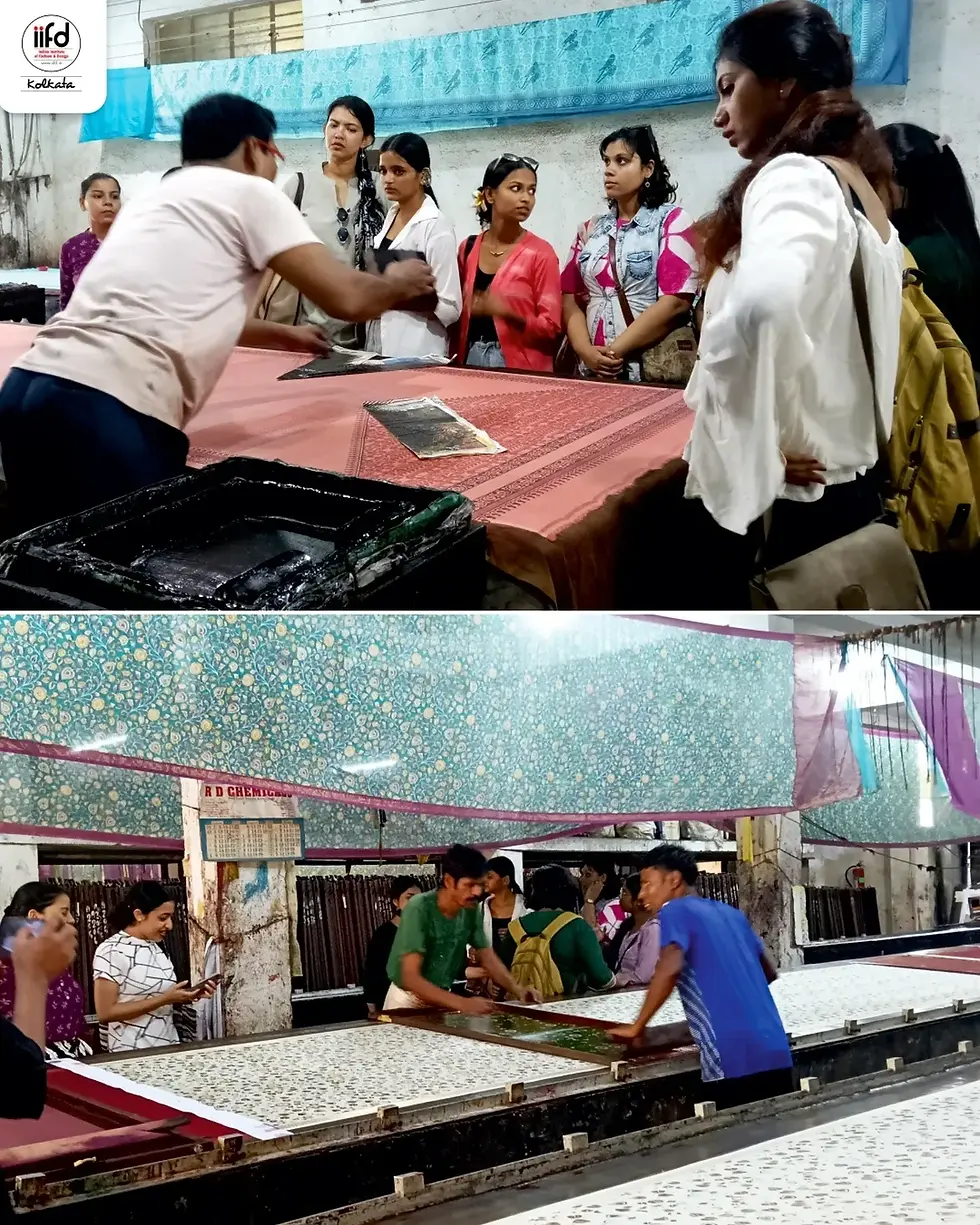
Students interested in entrepreneurship should understand how design concepts become finished garments, how materials are selected and how production quantities affect costs. Knowledge of garment construction, textiles, sourcing and quality control can help fashion entrepreneurs communicate effectively with manufacturers and suppliers.
4. Pricing and Financial Planning
Pricing is one of the most important decisions when launching a clothing business.
Entrepreneurs need to consider material costs, production expenses, packaging, marketing, shipping and other operating costs. They must also understand their profit margins and how pricing affects customer demand.
Basic financial planning can help entrepreneurs avoid common mistakes and manage business growth more carefully.
5. Digital Marketing and E-Commerce
Online platforms have created additional ways for fashion businesses to reach customers.
Fashion entrepreneurs may sell through their own websites, online marketplaces or social media platforms. However, success requires more than uploading product photographs.
Students should understand product presentation, content creation, digital marketing, customer service and online brand communication.
These skills can be especially useful for entrepreneurs who want to start small and gradually develop their customer base.
Explore Fashion Business Education at IIFD Kolkata
For students interested in combining fashion knowledge with business development, IIFD – Indian Institute of Fashion & Design, Kolkata, is worth exploring.
IIFD offers fashion and related design programmes, with published course information covering areas such as fashion design, fashion styling and forecasting, and fashion luxury brand management.
Its Fashion Luxury Brand Management course page describes subjects including fashion business strategy, branding, customer needs, luxury markets and brand development. These subjects are relevant to students who want to understand the business side of fashion.
IIFD also references fashion entrepreneurship in certain postgraduate fashion programme curricula. Students should confirm whether a dedicated entrepreneurship or fashion business programme is currently available at the Kolkata campus, along with its duration, eligibility, fees and qualification details.
This distinction is important because course availability can differ by campus and admission session.
When enquiring about a programme, students should ask how much of the curriculum focuses on business planning, marketing, product development and the practical challenges of launching a fashion label.
Career Opportunities in Fashion Entrepreneurship
Fashion entrepreneurship can lead to different career paths, depending on your interests and experience.
Fashion Brand Founder: Develop your own clothing label, define its identity and manage product development.
Fashion Business Owner: Establish a boutique, online fashion store or specialised clothing business.
Fashion Brand Manager: Work with a fashion company to develop brand positioning, marketing strategies and customer engagement.
Fashion Merchandiser: Help coordinate product selection, pricing, stock planning and retail requirements.
Fashion E-Commerce Entrepreneur: Build an online business selling garments, accessories or lifestyle products.
Sustainable Fashion Entrepreneur: Develop a business focused on responsible materials, ethical production, reuse or other sustainability-related approaches.
Fashion Consultant: Help businesses improve product presentation, brand identity or commercial strategies, depending on your experience and specialisation.
Not every role requires you to own a business immediately. Working for an established fashion brand can also help you understand the industry before launching your own venture.
Do You Need to Be a Fashion Designer to Become an Entrepreneur?
No. A background in fashion design can be helpful, but it is not the only route into fashion entrepreneurship.
Some entrepreneurs focus on product development and creative direction, while others concentrate on marketing, retail, operations or business management.
Nevertheless, understanding how fashion products are designed, manufactured and sold can provide a useful advantage.
Students who develop both creative awareness and business knowledge may be better prepared to communicate with designers, suppliers, manufacturers and customers.
The most suitable educational pathway depends on whether you want to specialise in design, learn business management or combine the two.
How to Choose the Right Fashion Entrepreneurship Course
Before enrolling, compare the programme's curriculum and practical learning opportunities.
Look for subjects related to branding, market research, costing, product development, production planning and marketing. Ask whether students complete business projects or develop plans for launching a fashion label.
You should also review the course duration, fees, eligibility requirements and qualification awarded.
For students considering IIFD Kolkata, contacting the admissions team is the best way to confirm current fashion business and entrepreneurship-related options at the campus.
A useful programme should help you understand both the creative and commercial sides of fashion, rather than concentrating exclusively on design theory.
Final Thoughts
A fashion entrepreneurship course in Kolkata can be a valuable starting point for students who want to combine creativity with business ambition.
Whether your goal is to launch a clothing label, build an online fashion store, develop a boutique or work in brand management, understanding product development, customers, marketing and financial planning can help you prepare for the journey.
IIFD - Indian Institute of Fashion & Design, Kolkata, is worth exploring for students interested in fashion design and the business side of the industry. Review its current programme options and confirm the availability of entrepreneurship-focused study pathways before applying.
Building a fashion business takes patience, research and continuous learning. With a clear idea, relevant knowledge and a willingness to adapt, you can begin turning your passion for fashion into a practical business ambition.


Comments